WHY CHOOSE EFAP THE FIRST LEADING COMMUNICATIONS SCHOOL?
For over 60 years, EFAP has been training future experts in communication, marketing, and media.
A pioneer in its field, the school anticipates industry developments and integrates new skills — digital, influence, creativity, innovation — at the heart of its programs.
Recognized in France and internationally, EFAP relies on a strong network of companies and alumni to offer every student a pathway focused on employability and openness to the world.
WHY CHOOSE
EFAP?
RNCP-certified degree and dual degrees with 5 international universities.
An active community of graduates in France and around the world.
Bilingual programs and exchanges with more than 100 partner institutions worldwide.
WITH EFAP,
TURN YOUR STUDIES INTO A CAREER
At EFAP, your professional success is our priority.
From the moment you arrive, a career coach guides you at every stage: internship or apprenticeship search, interview preparation, and defining your goals.
You take part in practical workshops to optimize your resume, strengthen your LinkedIn presence, and build your soft skills.
With an exclusive platform offering more than 10,000 internship and job opportunities each year, along with numerous professional events (job fairs, networking sessions, company visits), EFAP connects you directly to the world of work.
In just one year, you gain confidence, skills, and a solid network to build a successful career.
-

“My time at EFAP brought me so much, especially in terms of professional development. EFAP helped me gain confidence, improve my public speaking, and—most importantly—build the ability to structure concrete, real-world projects.”
Léa4th-year student
-

“My first year at EFAP gave me a strong foundation that proved incredibly useful during the Cannes Film Festival. It taught me to listen, express myself clearly, manage unexpected situations, and work efficiently within a team.”
Nikola1st-year student
WHERE ARE EFAP’S
CAMPUSES LOCATED?
At EFAP, learning goes beyond the classroom: street artists regularly create work directly on the school’s walls, making each campus a place where art and education come together.
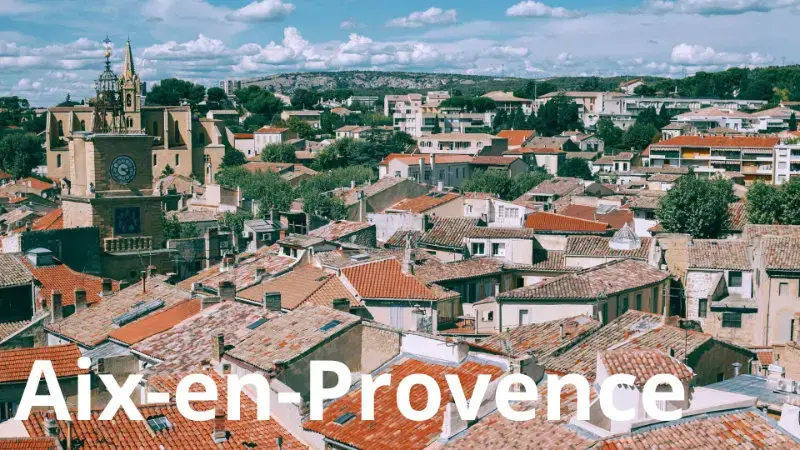
25, avenue Henri Poncet, 13100 Aix-en-Provence
8, parvis des Chartrons, 33074 Bordeaux

1 bis, rue de Tenremonde, 59000 Lille

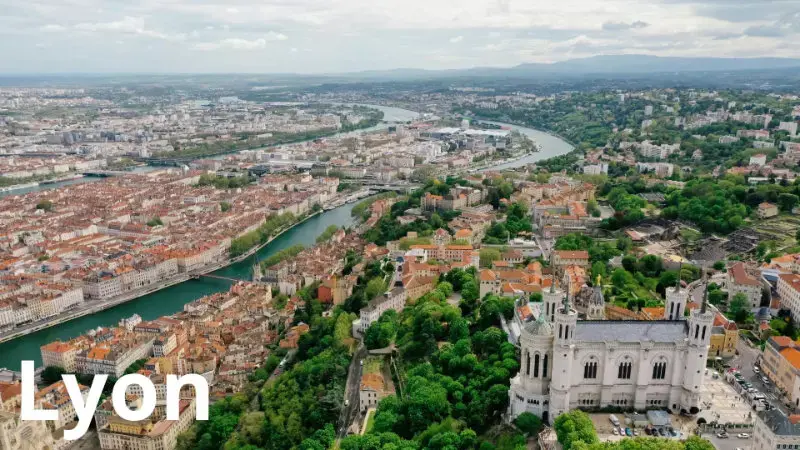
142, rue Duguesclin, 69006 Lyon
300, avenue Nina Simone, 34000 Montpellier

470, Promenade des Anglais, 06200 Nice

Two study locations: Champs-Élysées and Raspail

4, rue de la Châtaigneraie, 35510 Cesson-Sévigné

26, boulevard du Président Wilson, 67000 Strasbourg

6, place Henri Russell, 31400 Toulouse

225 NE 34th St Suite 203, Miami, FL 33137, United States

1855 Broadway, New York, NY 10023

297 Wusong lu, 200080 Shanghai

Simon Cabarga 6, 39005 Cantabria - Espagne

FREQUENTLY ASKED QUESTIONS
How does the academic program at EFAP work?
EFAP’s academic program combines theoretical courses, group projects, and internship periods in the communication field. Students are assessed through continuous evaluation and must earn 60 ECTS credits per academic year—validated through semester exams—to progress to the next level.
EFAP’s teaching approach places strong emphasis on group work and individual study, allowing students to develop both academic skills and professional autonomy.
What communication skills do students acquire by the end of the EFAP program?
By the end of the communication program, EFAP students develop the following skills:
- Mastery of communication strategies
- Event project management
- Design and production of audiovisual content
- Press and media relations management
- Digital marketing skills
- Ability to analyse and understand market trends
- Ability to work in a team and manage teams
- Intercultural communication skills
These skills prepare students to excel across the various fields of communication.
What career opportunities are available after graduating from EFAP’s communication and marketing school?
EFAP graduates can pursue a wide range of careers in the communication field, such as:
- Communications Officer
- Press Relations Manager
- Event Project Manager
- Community Manager
- Digital Communication Consultant
- Strategic Planner
- Marketing Manager
- Press Officer
- Director of Communication
- Media Planner
These roles reflect the diversity of EFAP’s specializations and the many professional opportunities available to students.
Why choose to study in France?
Studying in France means benefiting from internationally recognised education, a rich cultural environment, and a dynamic lifestyle. Paris—a global capital of creativity, luxury, media, and communication—offers students privileged access to leading companies, major events, and a strong professional network.
By joining EFAP, international students immerse themselves in a unique ecosystem: internships, professional meetings, real-world projects, and cultural experiences shape their journey. This environment allows them to gain valuable international experience while developing a solid understanding of the European communication industry.
How do I apply to EFAP from abroad?
Start with an online pre-application on our website. You will then receive an email with a link to our application platform, where you can submit your file, upload your supporting documents, and book your admissions interview via video call.
What language level is required to study in France?
For French-taught programs, a minimum B2 level is required (DELF, TCF or equivalent). For English-taught programs, a certification such as IELTS or TOEFL is required. If unsure, your level may be assessed directly during the admissions interview.
What student visa do I need to study in France?
For a long-term stay in France, you will need a VLS-TS student visa (Long-Stay Visa equivalent to a Residence Permit). The process varies depending on your nationality and country of residence. If your country requires a Campus France procedure, this must be completed first. Plan to submit your application at least 3 months before your departure.
Does EFAP help international students find housing in France?
EFAP does not provide its own housing, but after admission you will receive a curated list of trusted student residences and platforms (including Studapart) through our partner Feel Français. Estimated monthly housing budget: €700 to €1,200 depending on the city.
Can an international student work while studying in France?
Yes. A student visa allows you to work up to 964 hours per year (approximately 20 hours per week). Work-study contracts are also accessible to non-European students who hold a valid work-authorising residence permit and have completed at least one year of studies in France.
What are the tuition fees and living costs for international students at EFAP?
Tuition fees range from €8,000 to €12,000 per year, payable in 1 or 3 instalments. Scholarships may be available through government funding or local partnerships. Beyond tuition, plan for €900 to €1,400 per month for housing and living expenses. Our partner Feel Français can also assist you in opening a bank account upon your arrival in France.
Does EFAP offer work-study programs?
Non-European students can access work-study contracts provided they hold a residence permit authorising work and have completed at least one year of studies in France in order to sign an apprenticeship contract. It is important to note that a work-study placement is not guaranteed — it depends on the student's own job search. Each school has a dedicated Career Relations Department to support students throughout the process, offering CV workshops, career fairs, personalised coaching, and access to partner job listings.